
APHR Welcomes ASEAN Special Envoy’s Intent to Engage Myanmar’s EROs, Urges Rights-Based and Inclusive Process
JAKARTA, 10 June 2026—ASEAN Parliamentarians for Human Rights (APHR) welcomes the ASEAN Special Envoy and Philippine Foreign Affairs Secretary Ma. Theresa Lazaro’s stated intention to meet with Myanmar’s political and ethnic resistance organizations (EROs), as a potentially meaningful step toward inclusive dialogue under the Five-Point Consensus (5PC). “The Special Envoy’s planned meetings with Myanmar’s EROs […]
Full Story
ASEAN Parliamentarians for Human Rights (APHR)

APHR membership has grown exponentially with more than 140 members at present.

Membership includes current and former parliamentarians from across 8 countries in Southeast Asia.

A network of current and former parliamentarians who use our unique positions to advance human rights and democracy in Southeast Asia.
Latest Publications
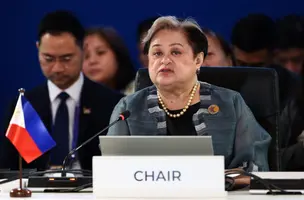
2026-06-10T19:22:54
APHR Welcomes ASEAN Special Envoy’s Intent to Engage Myanmar’s EROs, Urges Rights-Based and Inclusive Process

2026-06-01T11:20:07
APHR to India: ‘Min Aung Hlaing is Not Myanmar’s Legitimate President’

2026-05-25T15:59:33
‘Stealing a generation,’ APHR Condemns Junta’s Intensifying Forced Conscription of Myanmar Youth

2026-05-14T13:01:41
‘Impunity on Display,’ APHR Calls on Philippines to Uphold Rule of Law, Surrender Dela Rosa to ICC

2026-05-12T14:00:53
ASEAN’s Myanmar Paralysis Continues After Cebu Summit, APHR Warns of Junta Normalization

2026-05-07T08:23:12
Deep Day 2026: Southeast Asian Lawmakers Call for a Moratorium on Deep-Sea Mining
“The remarkable solidarity among APHR's more than 100 MPs from across the region, and the political spectrum, provides support to its members to continue pushing for a Southeast Asia that is fair for everyone.”
Sarah Elago, Philippine MP and APHR member

ASEAN Parliamentarians for Human Rights (APHR) was founded in June 2013 with the objective of promoting democracy and human rights across Southeast Asia. Our founding members include many of the region's most progressive Members of Parliament (MPs), with a proven track record of human rights advocacy work.